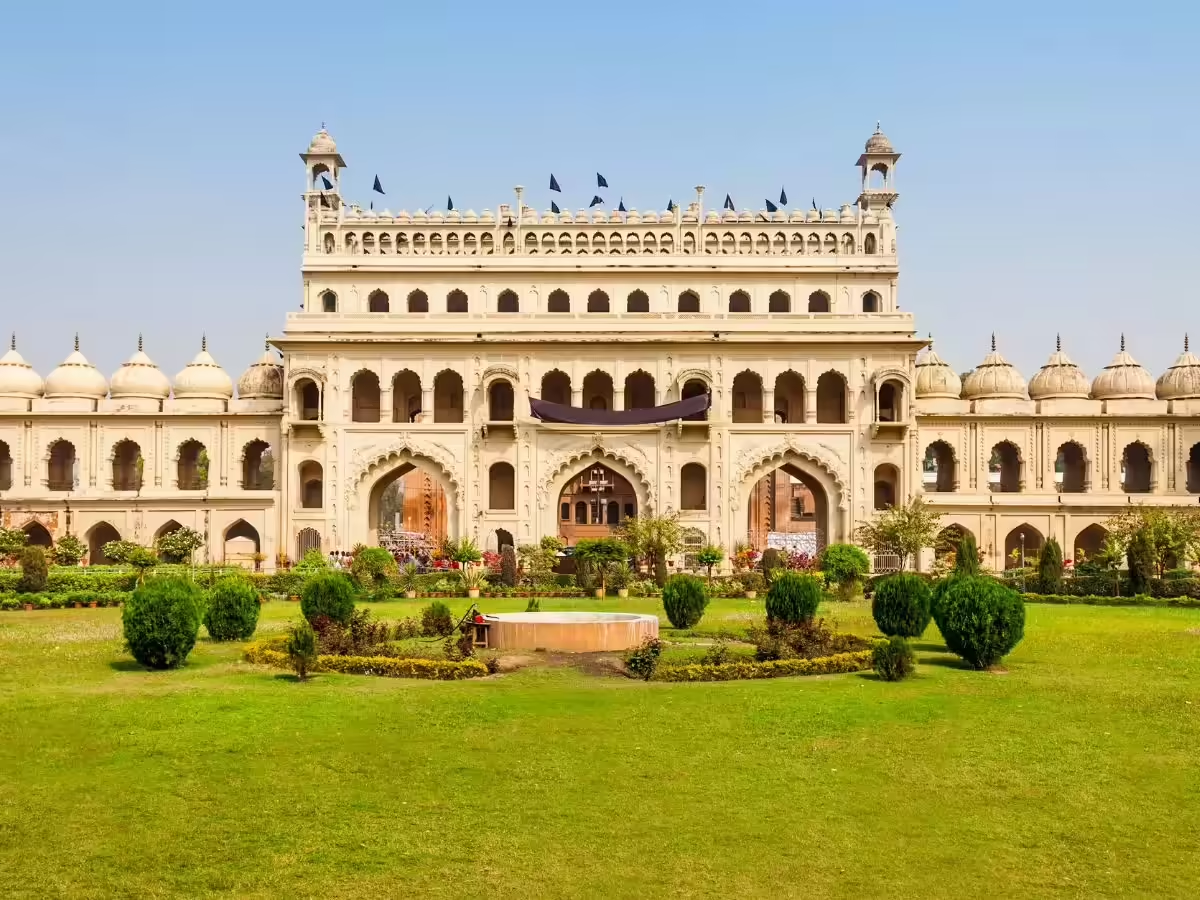
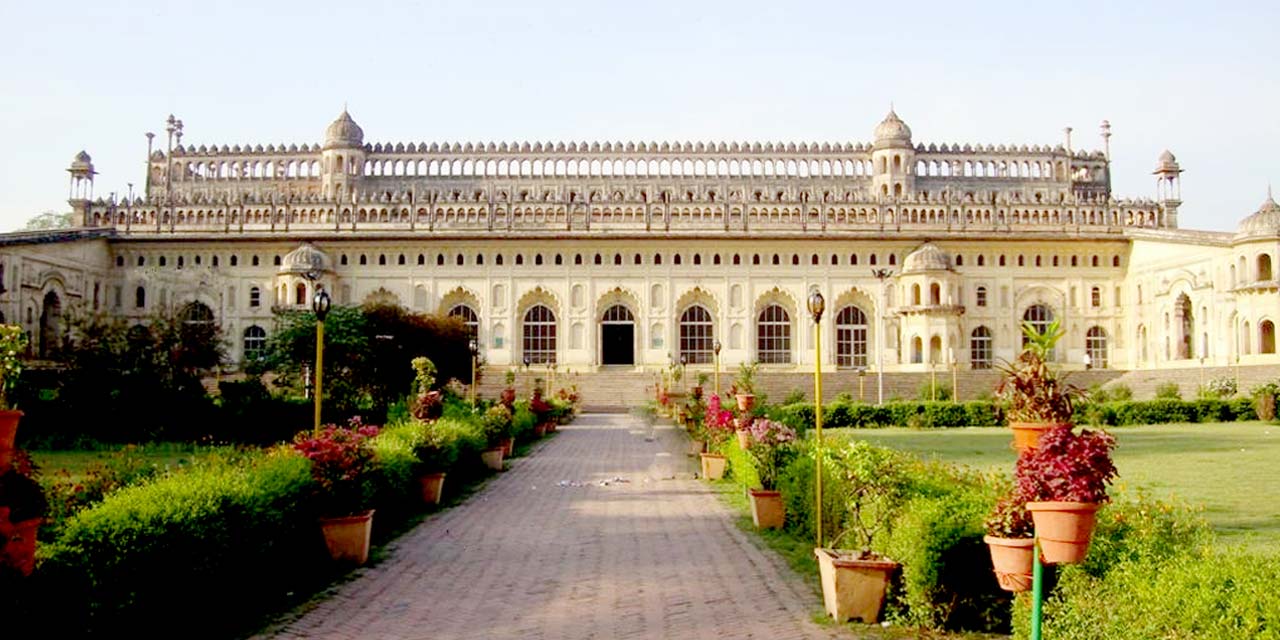
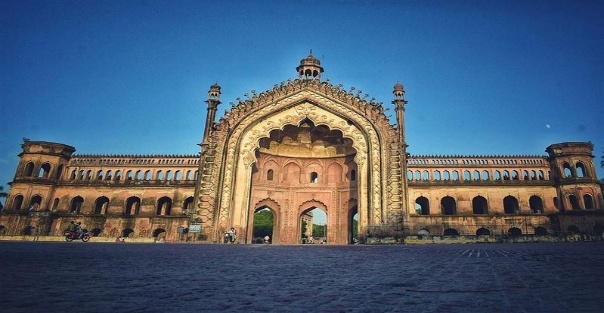
Bara Imambara
An 18th-century architectural marvel famous for its massive hall built without beams and the intriguing Bhool Bhulaiya maze.
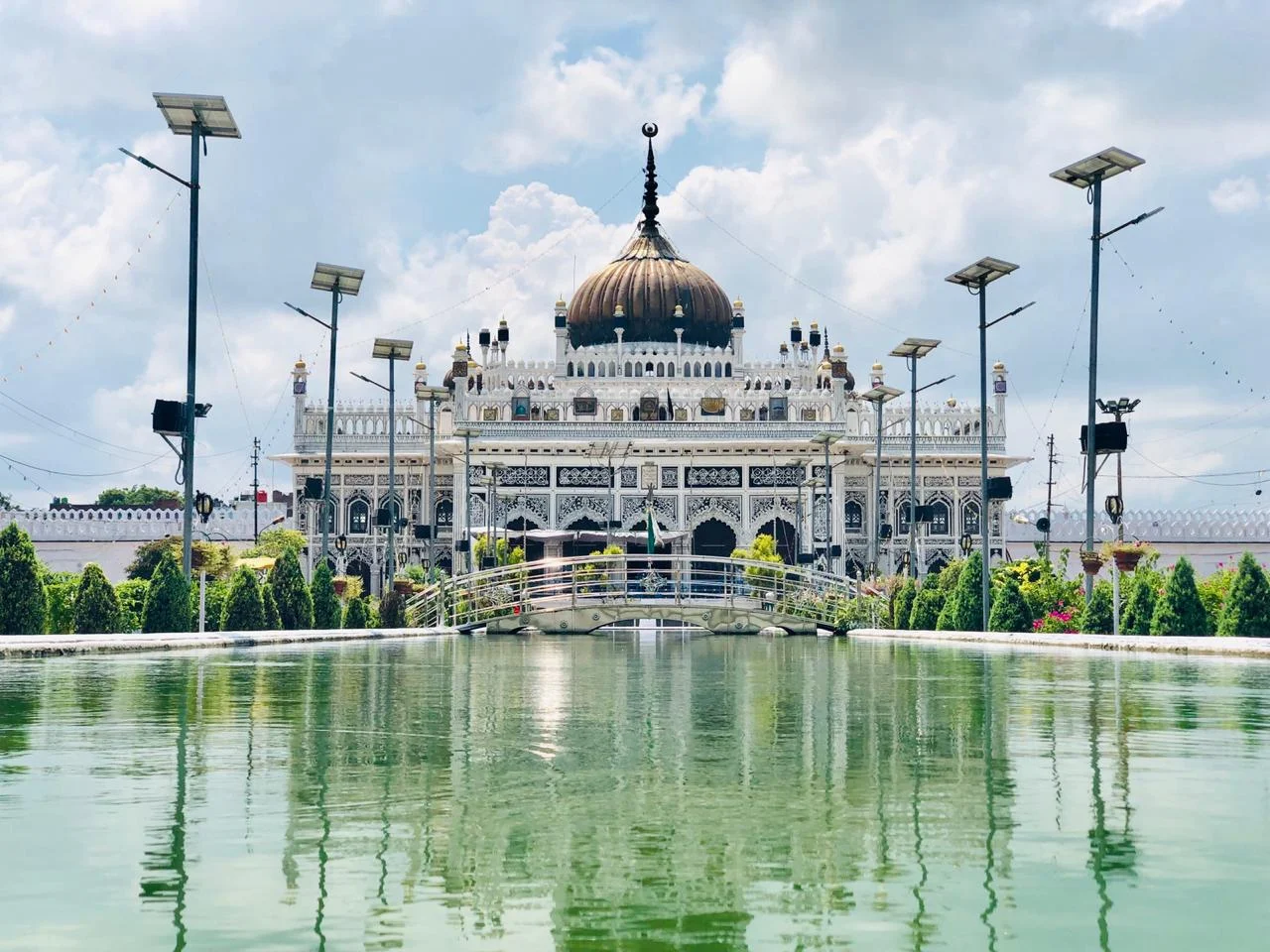
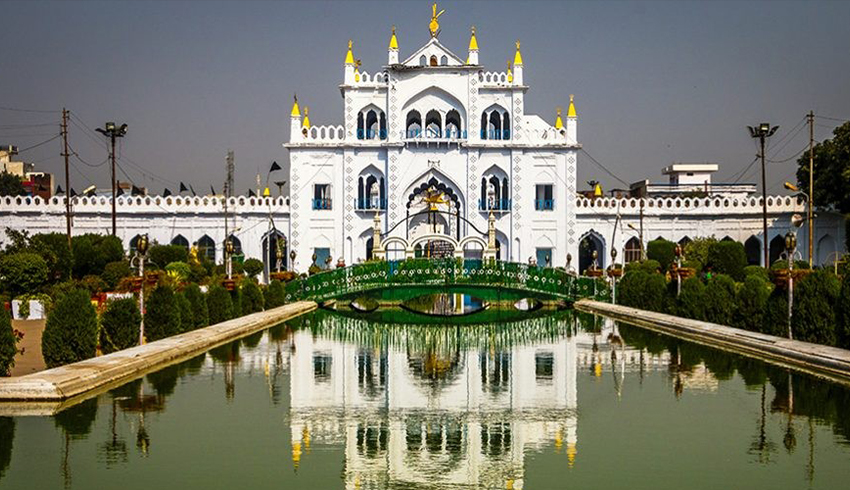
Chota Imambara
A stunning 19th-century monument, Chota Imambara is renowned for its exquisite architecture, ornate chandeliers, and beautifully decorated interiors. Also known as the Palace of Lights, it reflects Lucknow’s rich cultural and artistic heritage.
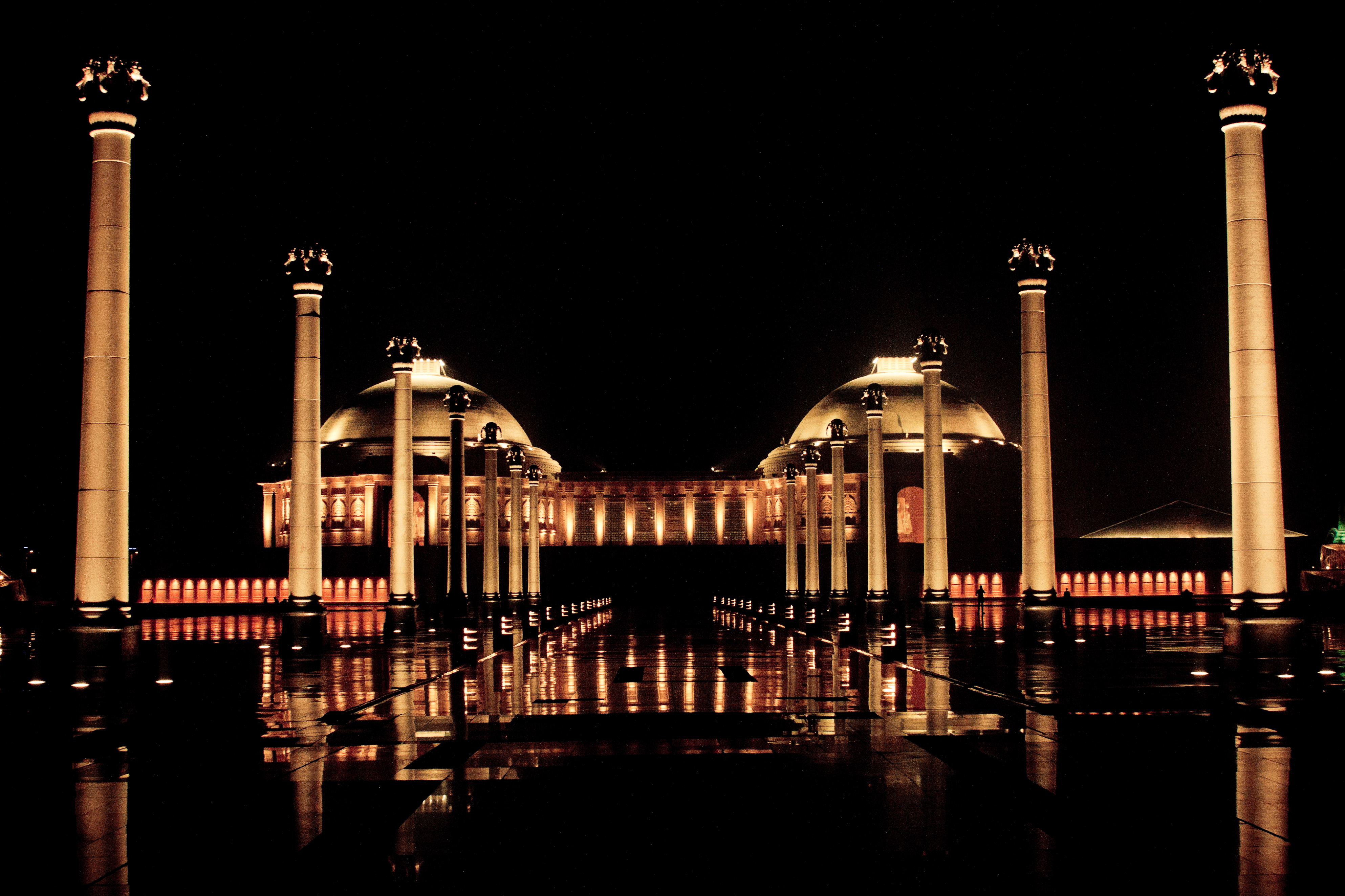
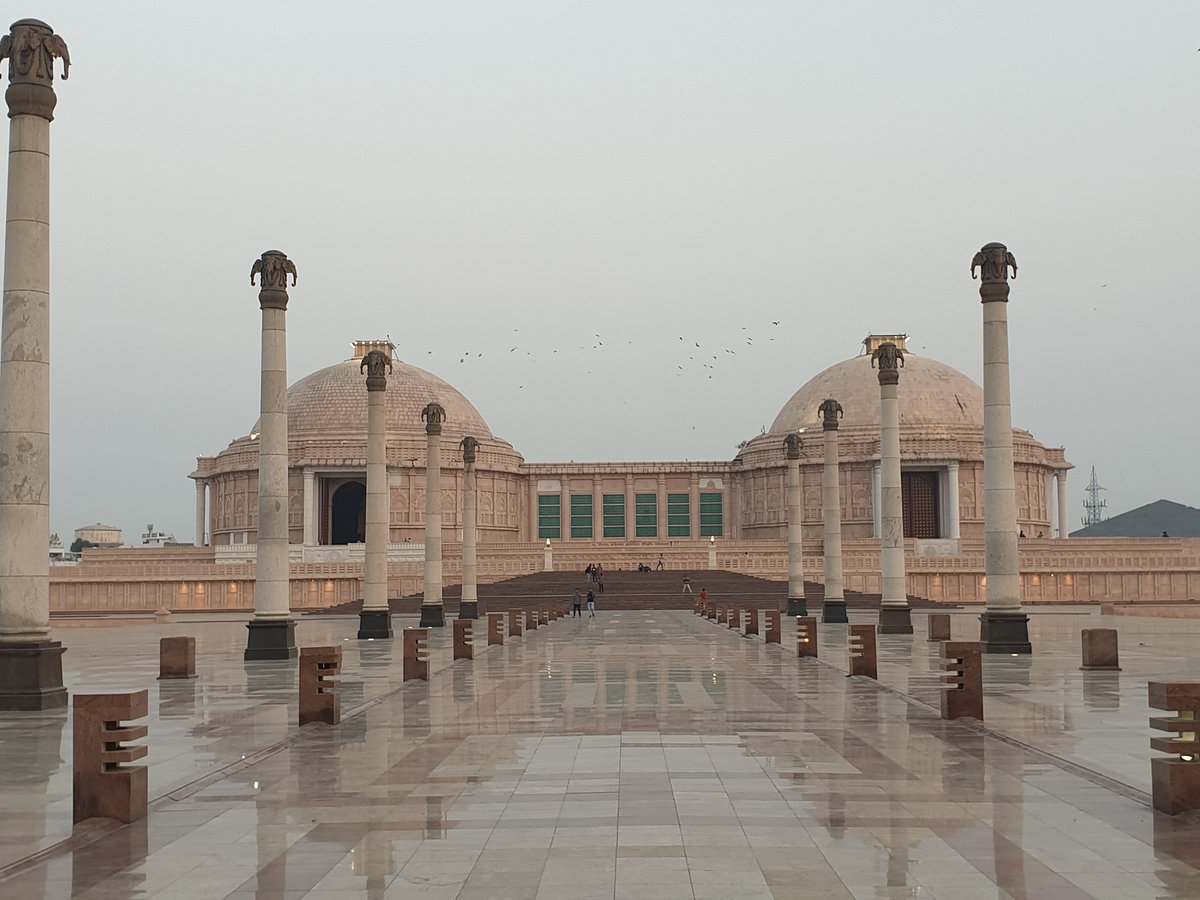
Ambedkar Memorial Park
Built in grand sandstone, this monumental park honors Dr. B.R. Ambedkar and other social reformers. It represents equality, justice, and democratic ideals.
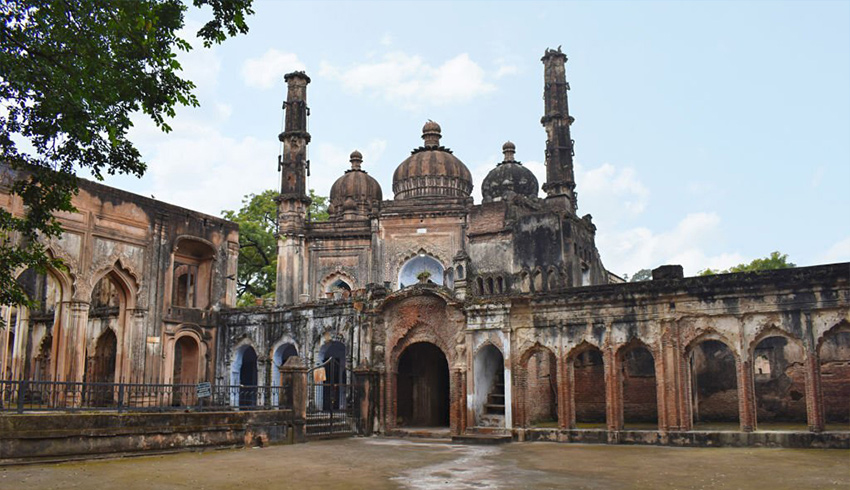
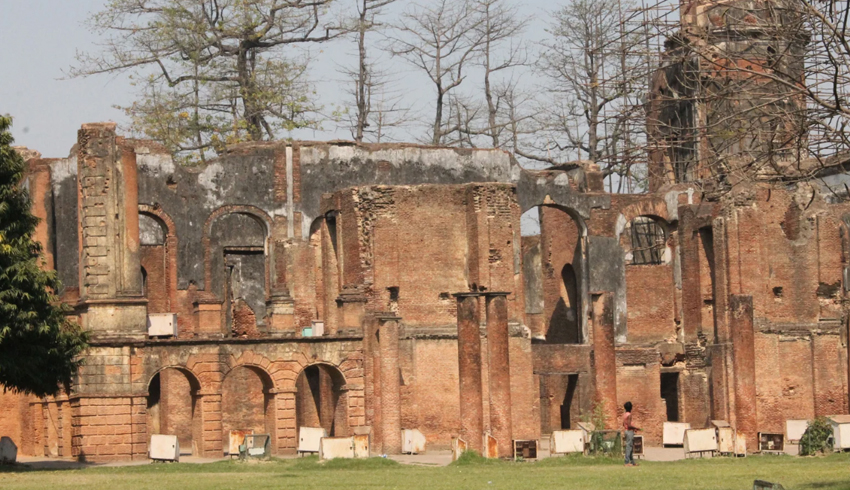
The British Residency, Lucknow
A historic site that witnessed the 1857 Revolt. The colonial ruins, bullet-scarred walls, and memorial grounds narrate stories of sacrifice and resistance.
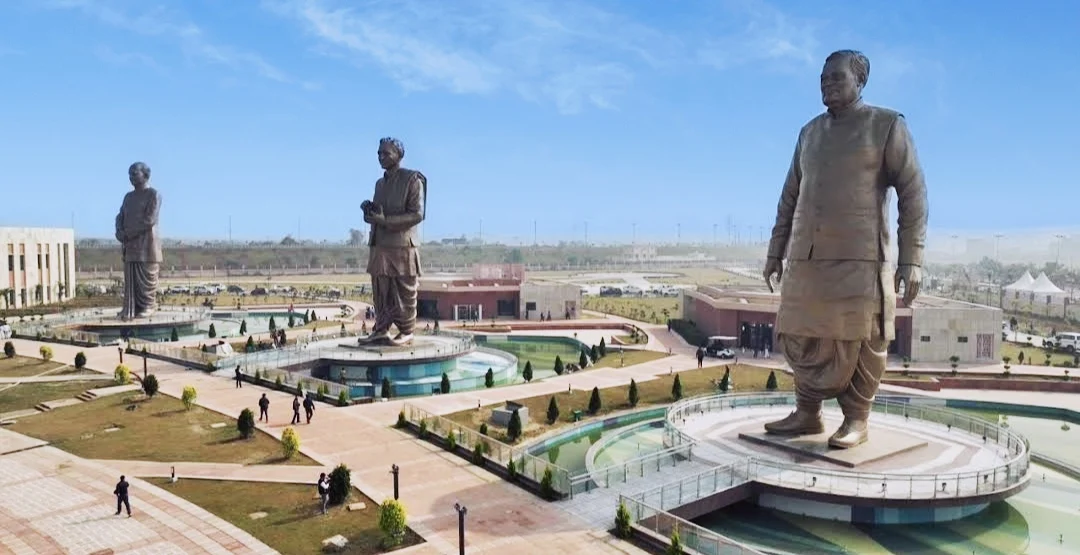
Prerna Sthal
A serene memorial dedicated to Dr. B. R. Ambedkar, Prerna Sthal symbolizes inspiration, equality, and social justice. Set amidst peaceful surroundings, it serves as a place for reflection and tribute to his enduring ideals and vision.
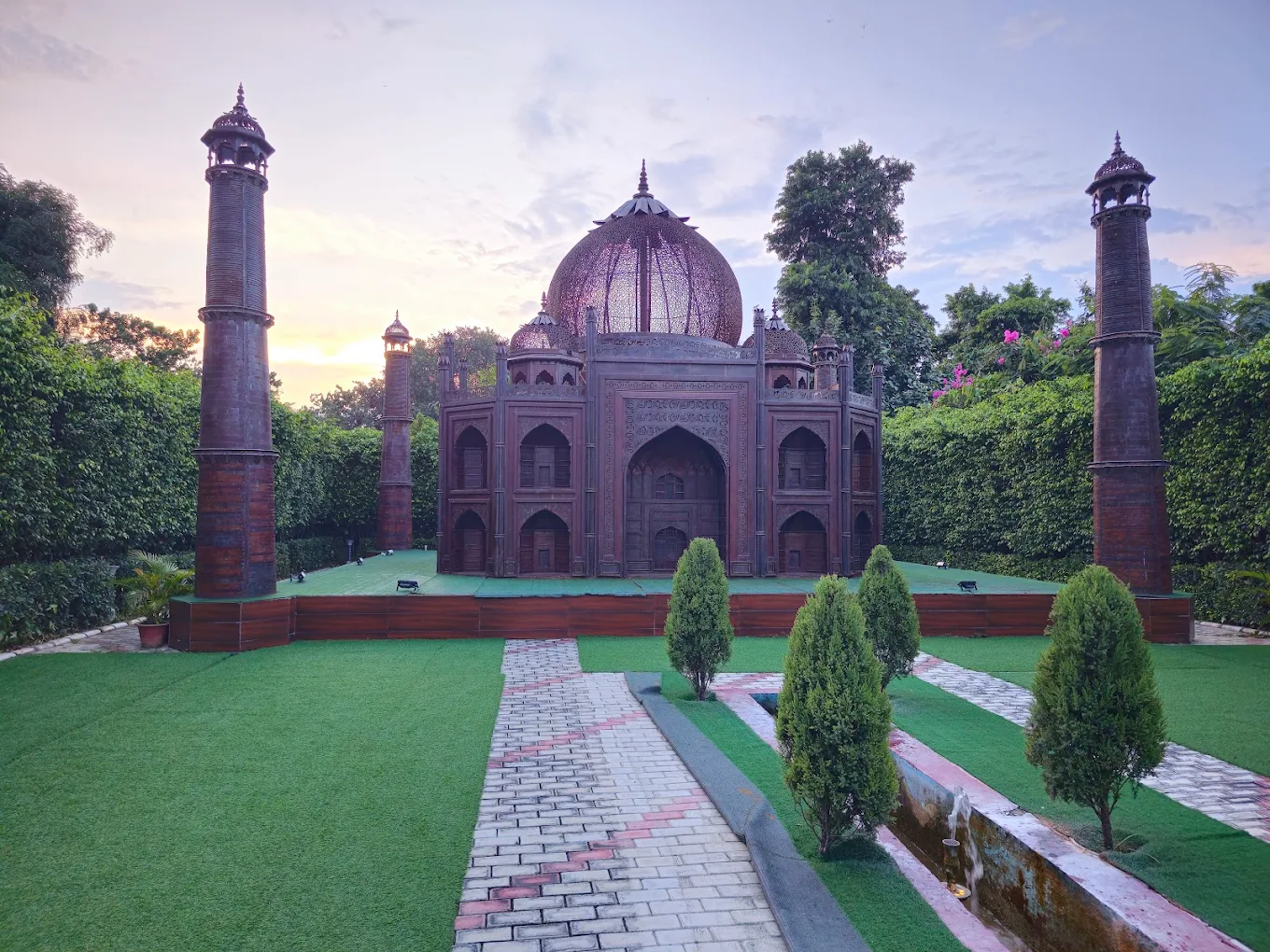
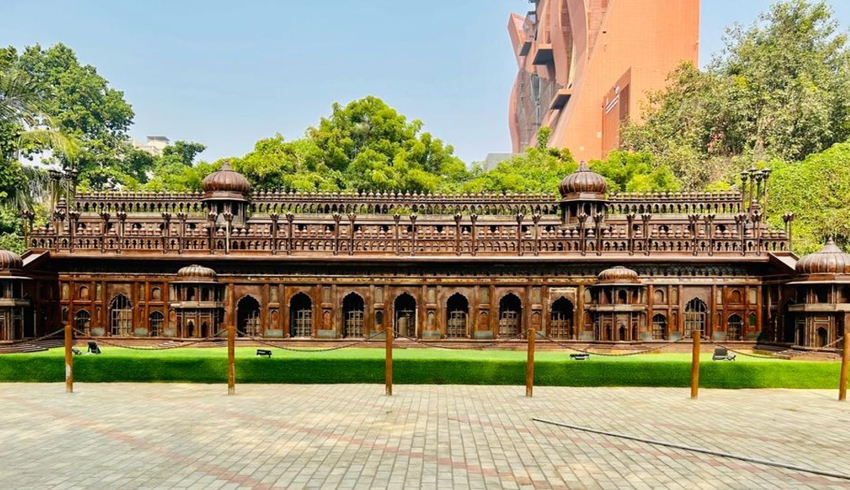
U.P. Darshan Park
A creative waste-to-wonder attraction showcasing replicas of 16 iconic monuments of Uttar Pradesh, crafted from recycled industrial scrap, including the impressive Mini Taj Mahal and Ayodhya Ram Mandir, blending heritage with sustainability.
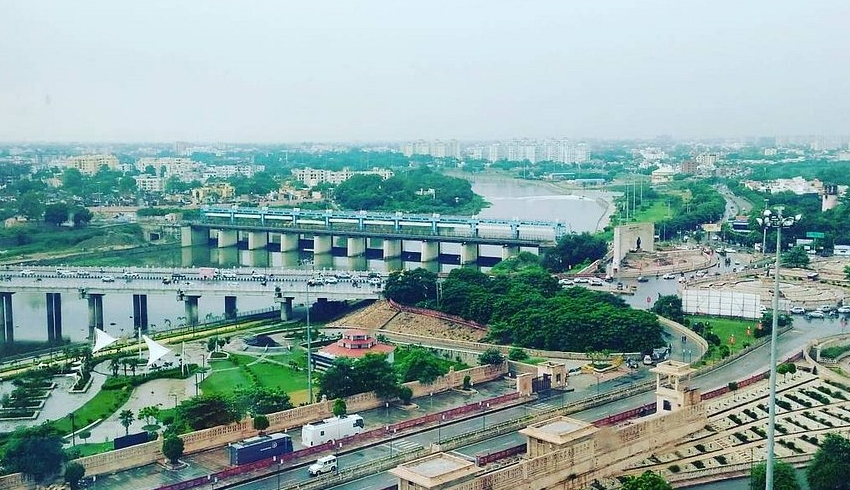
Gomti Riverfront Park
A tranquil riverside destination ideal for walks, fitness, and evening leisure, offering scenic views and musical fountains.
- Tranquil river side destination in Lucknow
- Ideal for morning and evening walks
- Suitable for fitness and recreational activities
- Popular spot for relaxed evening leisure
- Offers scenic views along the Gomti River
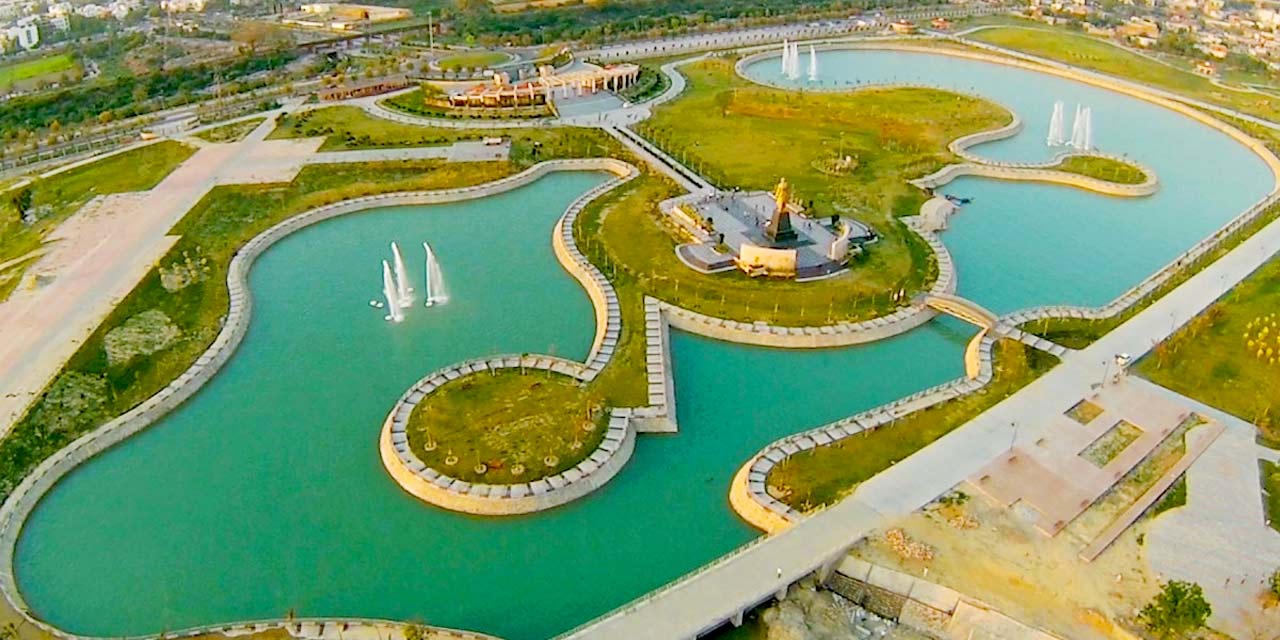
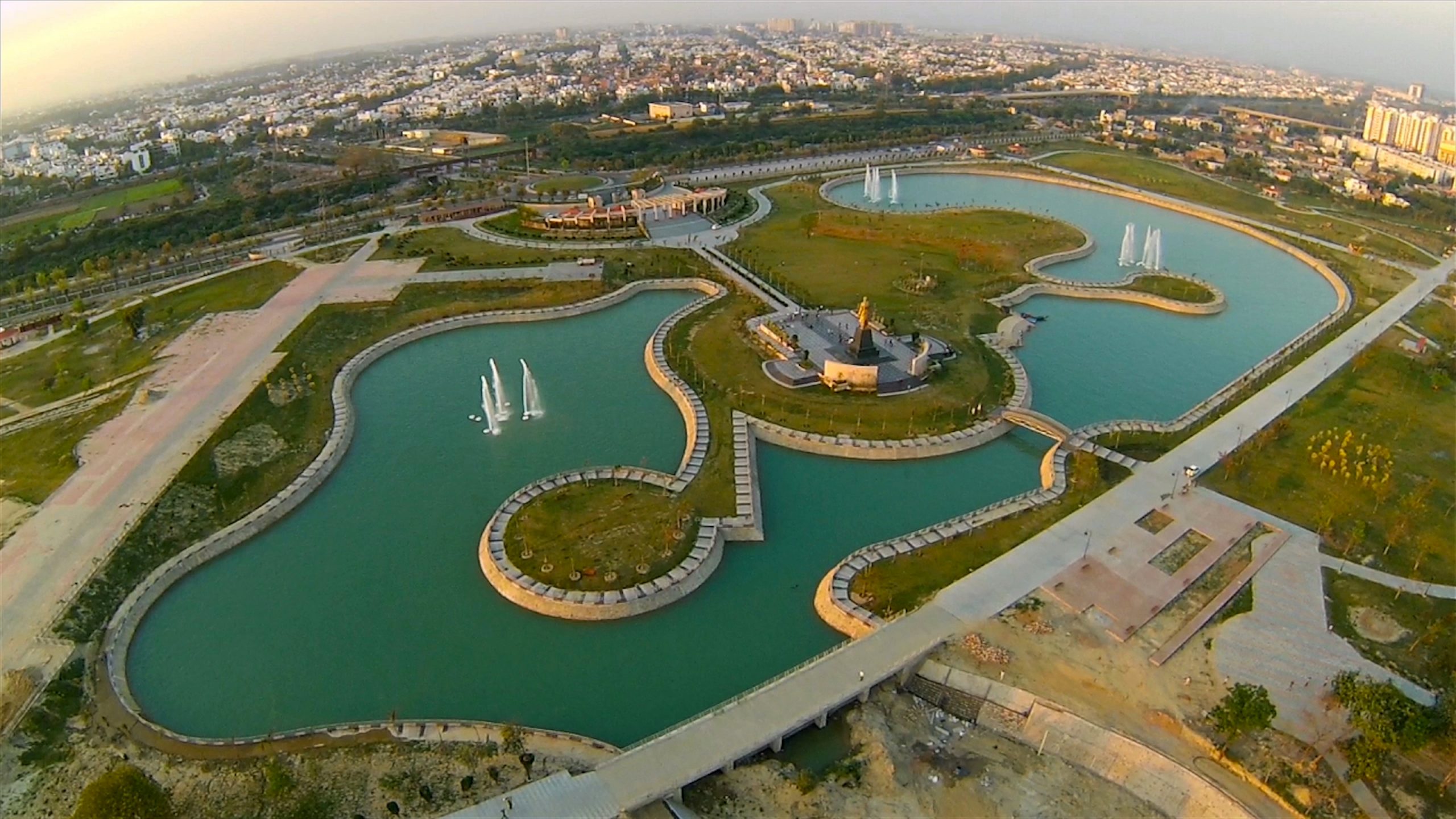
Janeshwar Mishra Park
One of Asia’s largest eco-friendly parks featuring lakes, cycling tracks, jogging paths, and open green spaces — ideal for relaxation.
Agra
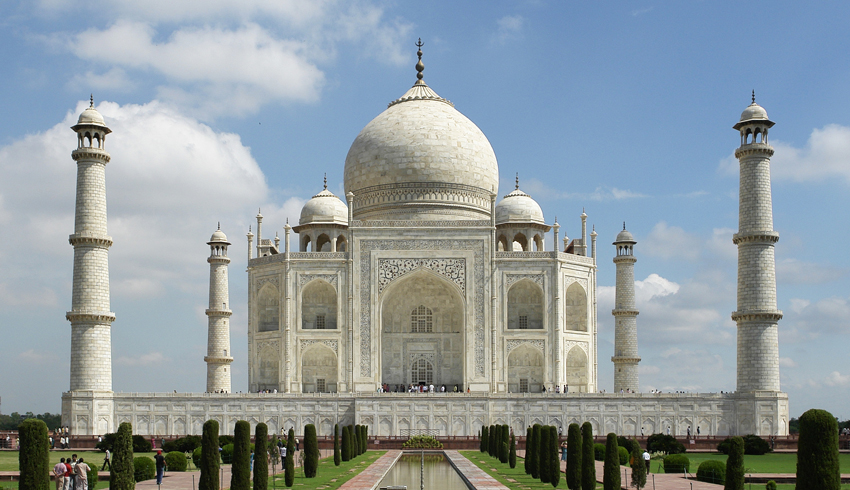
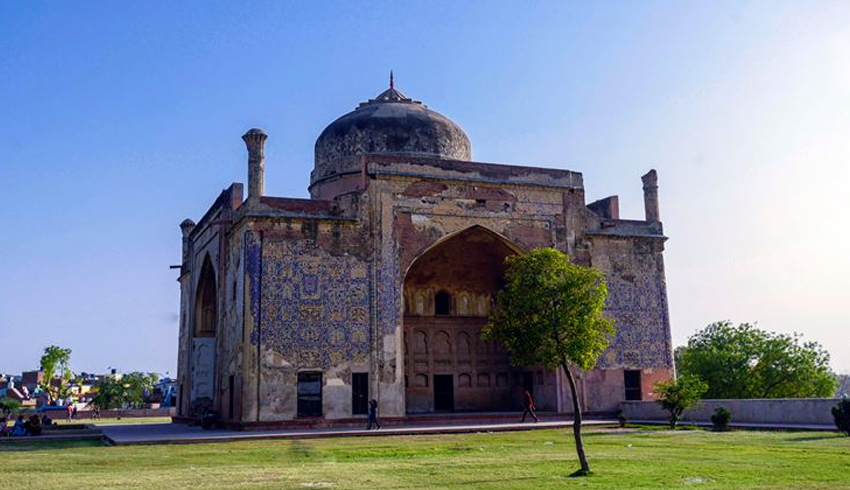
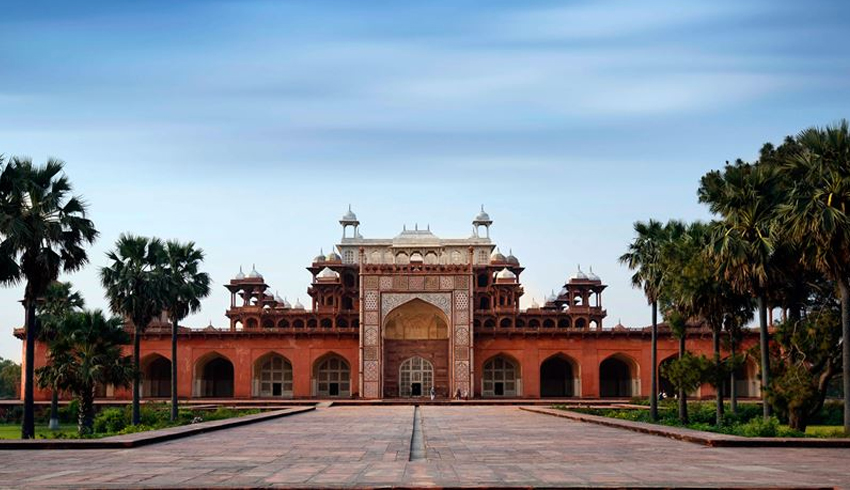
A UNESCO World Heritage Site and one of the Seven Wonders of the World, the Taj Mahal is an eternal symbol of love and Mughal architectural brilliance, while nearby Fatehpur Sikri stands as a majestic testament to Emperor Akbar’s vision and the grandeur of Mughal city planning.
Ram Mandir, Ayodhya
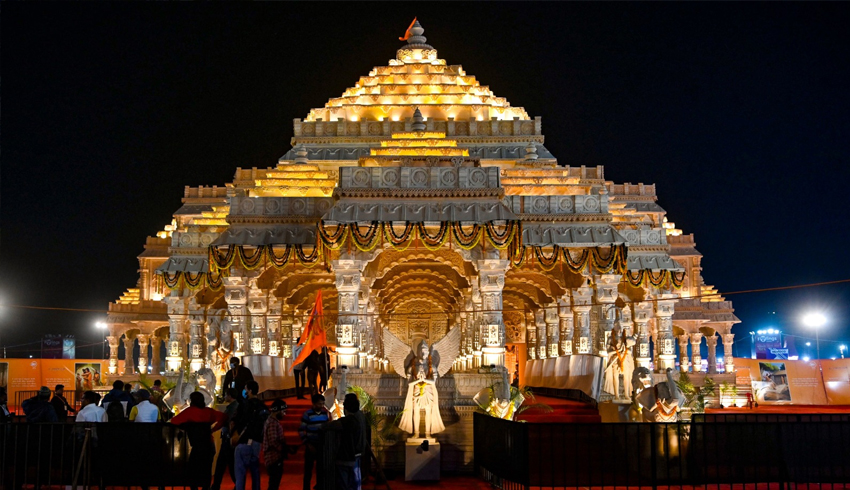
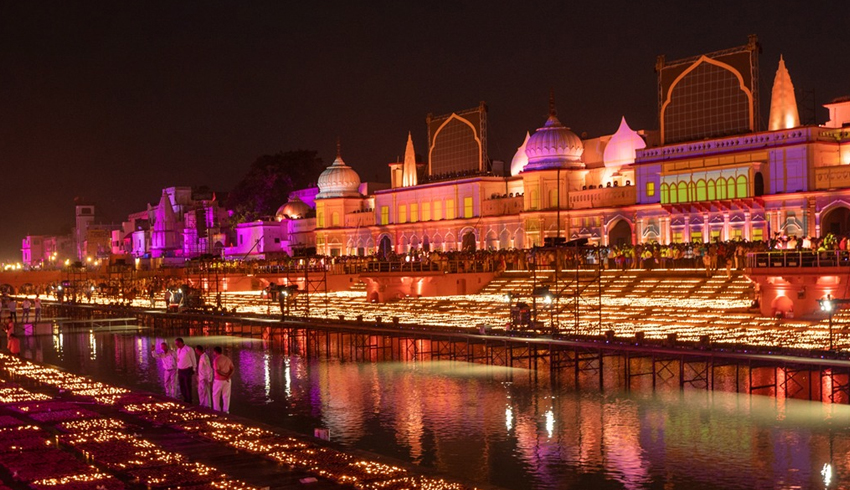
Ram Janmabhoomi is believed to be the birthplace of Lord Rama. Situated on the banks of the Sarayu River, the temple stands as a powerful symbol of devotion, faith, and Indian heritage.
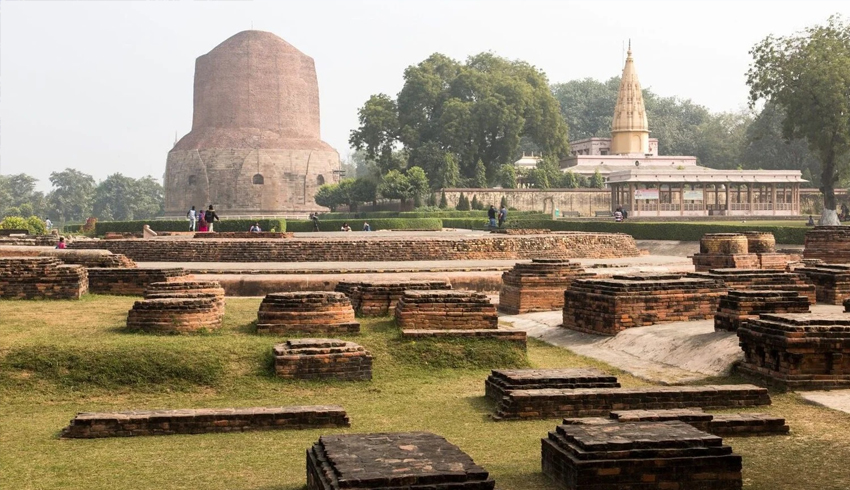
Varanasi
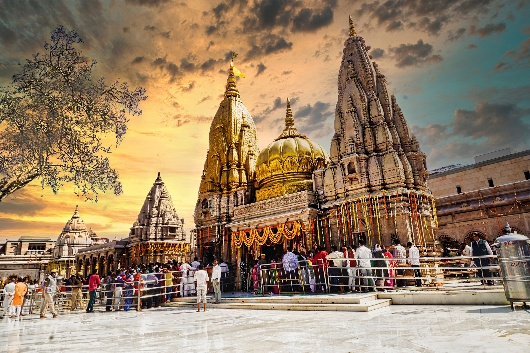
Kashi Vishwanath Temple, Varanasi
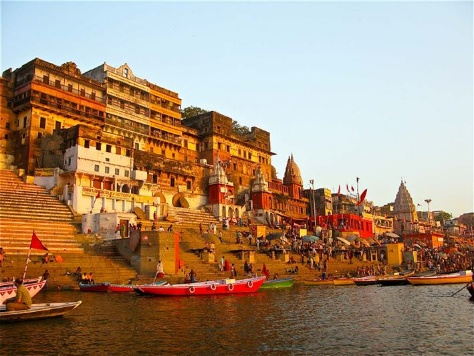
One of the holiest shrines in Hinduism, Kashi Vishwanath Temple is dedicated to Lord Shiva as Vishwanath, the “Ruler of the Universe.” As one of the twelve sacred Jyotirlingas, it holds immense spiritual significance, with devotees believing that a visit here grants liberation (Moksha). Nestled near the Ganges and enhanced by the Kashi Vishwanath Dham Corridor, the temple stands as a timeless symbol of faith, resilience, and devotion.
Prayagraj Magh Mela
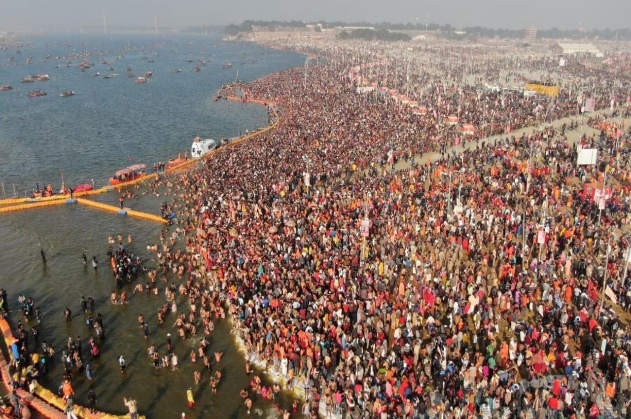
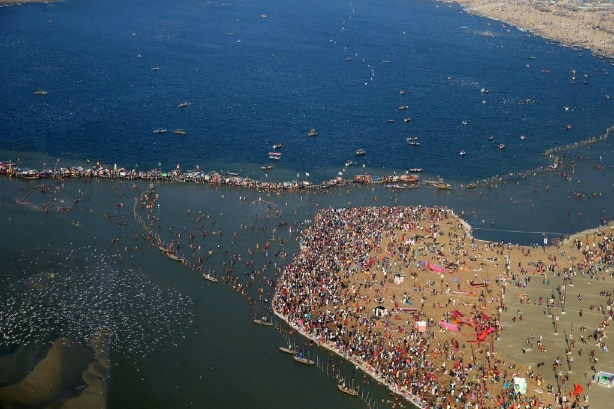
Held annually during the Hindu month of Magh (mid-January to mid-February) at the sacred Sangam, the Magh Mela draws pilgrims and saints for holy baths, rituals, and cultural traditions, reflecting India’s rich spiritual heritage.
The festival also features vibrant religious discourses, akharas, and temporary settlements along the riverbanks, offering visitors a unique glimpse into India’s timeless faith and traditions.
Kushinagar
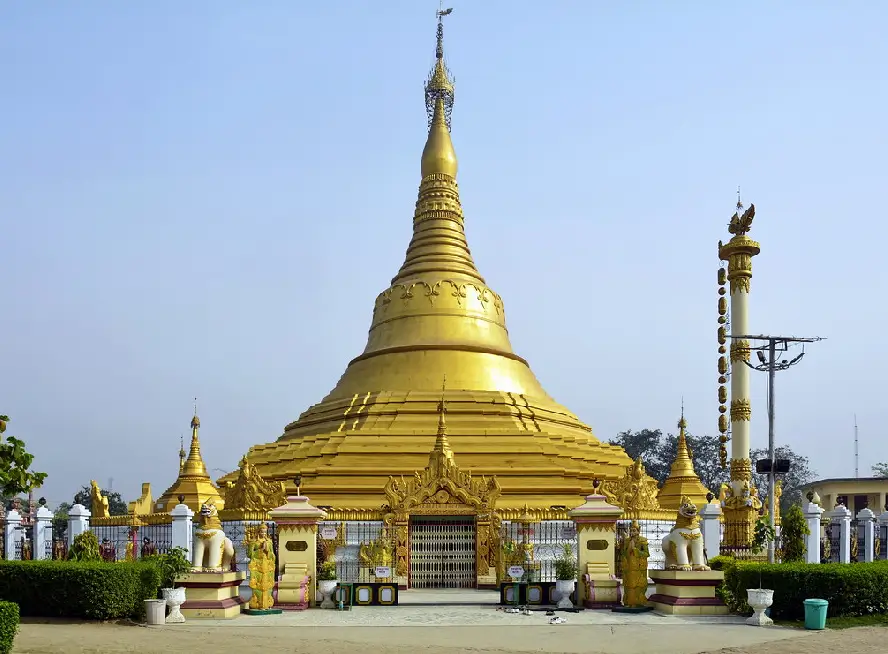
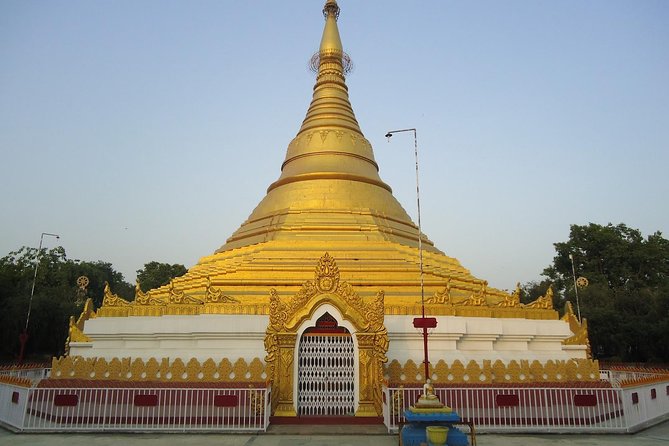
One of Buddhism’s holiest sites, Kushinagar is the sacred place where Lord Buddha attained Mahaparinirvana. It is home to the Mahaparinirvana Temple, important stupas, and international monasteries, attracting pilgrims from around the world.